
How Caregivers Can Organize Kitchen and Laundry Spaces for Long-Term Patient Recovery
Luxmnr · 7 min read · 10/3/2026
Managing a long-term recovery journey away from home requires careful daily routines, especially when adapting to a temporary living environment in a new city. For caregivers supporting a loved one through extended medical treatment, organizing core living areas like the kitchen and laundry room can significantly reduce daily stress and support consistent healing. By setting up these spaces thoughtfully, you can create a smoother, safer environment for both yourself and the patient.
Setting Up an Accessible Recovery Kitchen
The kitchen is often the heart of daily care, serving as the staging ground for nutritional needs, hydration, and medication schedules. When you first arrive in your temporary home, take time to evaluate how everyday items are stored. Move frequently used plates, cups, and healthy snacks to counter height or lower cabinet shelves to minimize bending, reaching, or unnecessary steps. Keep a dedicated station on the counter for hydration supplies, nutritional supplements, and daily medications so they remain visible and easy to manage without cluttering the main food-preparation zones. If your temporary home features a fully equipped kitchen, utilize the existing storage to separate medical nutrition supplies from standard grocery items, ensuring everything you need for the patient is always within immediate reach.
Streamlining Laundry Routines for Health and Comfort
Maintaining a steady supply of clean linens, comfortable clothing, and supportive garments is vital during long-term healing, but frequent washing can quickly overwhelm a caregiver schedule. Establish a reliable laundry rhythm by setting up clearly marked sorting baskets near the washing area to separate standard clothing from specialty items, delicate garments, or linens that require specific care. Keep gentle detergents, stain removers, and scent-free washing products grouped together on a nearby shelf or counter so you can manage loads quickly without hunting for supplies. Having in-home laundry appliances allows you to wash items as soon as they are needed rather than coordinating trips around complex medical appointments, preserving precious time and energy for patient care.
Establishing Safe Workflow Zones in Open Living Areas
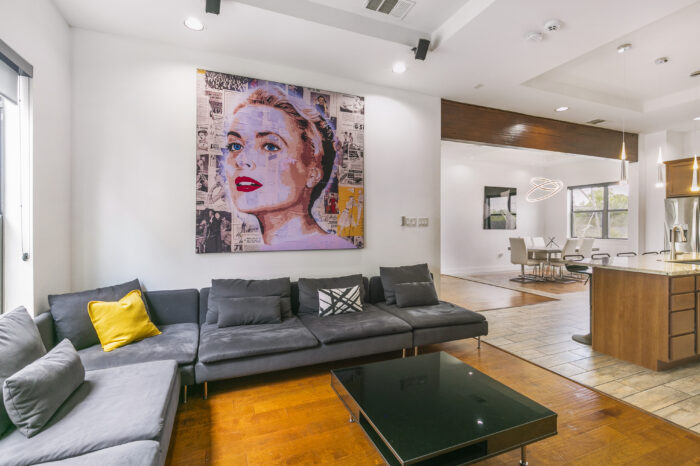
When cooking and managing household chores simultaneously, maintaining clear walkways and safe workflow zones becomes essential for accident prevention. Keep electrical cords from small kitchen appliances neatly bundled and out of high-traffic paths where a patient using mobility aids might trip. Designate specific landing zones for incoming groceries, clean laundry baskets, and medical supplies so they do not spill over into the main walking corridors of your temporary residence. In spaces like our featured property, the Elysian near Downtown, a spacious three-bedroom layout with a fully equipped kitchen, private patio, garage, and in-home laundry provides dedicated areas to organize daily chores efficiently while keeping the primary recovery spaces calm and uncluttered.
Simplifying Extended Stays with the Right Temporary Housing Support
Finding a comfortable, well-appointed living space plays a major role in how smoothly a family navigates an extended medical journey. When evaluating your options for temporary accommodations, look for fully furnished properties that include essential amenities like utilities, Wi-Fi, a kitchen, and laundry facilities already integrated into the home, which eliminates the need to coordinate separate service setups. For families seeking specialized medical accommodations across the region, exploring options like medical patient housing in Houston can help you find environments tailored to longer stays. Whether your requirements cover a span of one week through multiple months, subject to availability, having a reliable space with direct billing coordination for qualifying insurance placements can ease the administrative burden on caregivers.
How far in advance should caregivers request temporary housing?
Requests can cover stays from one week through multiple months, subject to availability. Because availability can vary based on seasonal demand and medical schedules, it is best to submit your housing request as soon as your travel dates or treatment timelines are confirmed. Current rates and availability are confirmed after a housing request is submitted.
What amenities are typically included in LuxMNR temporary homes?
Listed homes include utilities, Wi-Fi, a kitchen, and laundry facilities. Specific properties, such as the Elysian near Downtown, also feature high-speed Wi-Fi, smart TVs, and Bluetooth surround sound to keep patients and caregivers comfortable and connected throughout their stay.
If you are planning an upcoming medical stay in the area and need a comfortable, fully furnished environment for your family, we invite you to submit a LuxMNR housing request to discuss your specific stay duration and housing preferences.
Next step
Looking for a place to stay?
Published by LuxMNR. If you need fully furnished transitional housing in the Houston Metro, we'll match you with available homes quickly.
Request Housing